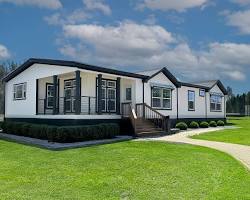
When people think of "mobile homes," they often imagine something temporary—a structure built to last maybe 20 or 30 years before it starts to fall apart. But that’s an outdated perspective.
According to HUD (the U.S. Department of Housing and Urban Development), modern manufactured homes are designed to last at least 30 to 55 years. However, with the right care and a permanent foundation, many experts agree they can last as long as a site-built home—70 to 100 years or more.
Here is the truth about the lifespan of these homes and the factors that determine whether yours will be a "forever home" or a "short-term stay."
1. The HUD Code Factor
Homes built after June 15, 1976, were the first to be regulated for structural durability. In the decades since, those standards have only gotten tougher. Modern manufactured homes are built with:
Kiln-dried lumber to prevent warping.
High-performance truss systems for roof loads.
Stricter plumbing and electrical standards that reduce the risk of internal damage.
Because they are built in a controlled factory environment, the "bones" of the house are never exposed to rain or snow during construction, preventing the early-onset rot that can plague some site-built homes.
2. The Foundation is Everything

The foundation you choose is the single most important factor in whether your home lasts 30 years or 100.
Permanent Foundations: Homes placed on a concrete slab or crawlspace with a "real" foundation are less likely to experience structural shifting. This protects your drywall from cracking and keeps your doors and windows aligned.

Property Solutions
Top-quality manufactured and modular homes

The "Settling" Risk: Homes on piers and anchors need to be checked periodically. If the ground shifts and the home becomes unlevel, it puts stress on the chassis, which can lead to leaks and structural fatigue over time.
3. Maintenance: The Longevity Multiplier
A manufactured home requires a specific maintenance checklist to reach its full life expectancy. If you neglect these three things, the lifespan drops significantly:
The Roof: Most manufactured homes use "shingle" or "metal" roofing. Because the pitch is often lower than traditional homes, you must ensure debris doesn't sit on the roof, trapping moisture.
The Skirting: The skirting (the paneling around the base) isn't just for looks. It keeps rodents out and protects your plumbing from freezing and moisture buildup.
Water Management: Because many manufactured homes use particle board or specialized subflooring, even a small leak from a toilet or sink can cause major structural damage if not caught immediately.
4. Location and Climate
Where you live matters. A home in a dry, temperate climate will naturally outlast a home in a high-humidity coastal area or a region with massive snow loads. However, modern homes are built to "Zone" specifications—meaning a home built for Vermont is structurally reinforced differently than one built for Arizona.

The Verdict
The idea that manufactured homes are "disposable" is a myth of the past. If you treat a manufactured home like a piece of real estate—placing it on a permanent foundation, keeping it level, and staying on top of roofing and plumbing—there is no reason it won't be standing for your grandchildren.
The lifespan isn't about how it was built; it’s about how it’s anchored and maintained.
Would you like a seasonal maintenance checklist to help keep your manufactured home in top shape for the long haul?
Check your email for the password reset instructions.
Dealer License #:
Continue reading with these related articles